Tsavo safari can I self drive? That question is one of the most common we hear from first-time Kenya visitors. The short answer is yes, but it comes with conditions. You can drive a private 4×4 through both Tsavo East and Tsavo West without a guide. You still need valid park documents, a capable vehicle and a sober respect for the terrain. Tsavo is not a small reserve. Its tracks can shake the hardest suspension, and its wildlife does not follow a script. With the right preparation, self-driving is an honest, flexible way to explore one of Africa’s most dramatic landscapes.
Tsavo Safari Can I Self Drive?
Yes, visitors can self-drive in both Tsavo East and Tsavo West without hiring a guide, provided they have valid park entry, vehicle and driving documents. The parks are managed by Kenya Wildlife Service, but self-driving is not a casual car tour. You must stay on designated tracks, respect gate hours and use a suitable high-clearance 4×4.
The Kenya Wildlife Service, known as KWS, manages both parks. No official rule forces you to hire a guide. That makes Tsavo different from some other reserves. However, “no guide required” does not mean “no planning required.” You must enter through official gates and show your booking and vehicle documents. Leave before gate closure. Most visitors use a 4×4. A few attempt Tsavo East with a two-wheel-drive SUV in the dry season, but it is not wise. Tsavo’s roads are long, dusty and often rough. If you compare Tsavo versus Samburu safari, you will see that each park rewards a different kind of driver.
What Vehicle Do You Need for a Tsavo Self-Drive Safari?
Use a reliable 4×4 with high ground clearance, ideally a safari-prepared Toyota Land Cruiser or equivalent. A normal saloon car is unsuitable for Tsavo’s corrugated, sandy, rocky and muddy tracks, particularly after rain. Carry a spare tyre, jack, recovery equipment, water and enough fuel because services are limited inside the parks.
Rental companies in Kenya classify some vehicles as safari-ready. Look for a Land Cruiser, Land Rover Defender or similar with raised ground clearance. Check that the spare tyre is full-sized and that the jack works. You should also carry recovery straps, a shovel and a charged phone with offline maps. Take at least a few litres of water per person, plus basic tools. Fuel stations inside the park are rare or non-existent. Fill up at Voi, Mtito Andei or another gate town before you enter.
How Do Tsavo Roads, Gates and Navigation Compare?
Tsavo East is generally flatter but includes long, sandy and rough tracks, while Tsavo West has more rocky and volcanic terrain. Common access points include Voi or Bachuma in the east and Mtito Andei or Chyulu-area gates in the west. Download offline maps, confirm current road conditions and allow more time than map distances suggest.
Tsavo East and Tsavo West sit side by side, but they feel different behind the wheel. The table below sums up the main contrasts.
| Feature | Tsavo East | Tsavo West |
|---|---|---|
| Terrain | Flat, dry plains and scrub | Rocky volcanic hills, springs and rivers |
| Road character | Long sandy tracks, hardpan and corrugation | Rocky ascents, slippery clay after rain |
| Common entry gate | Voi or Bachuma | Mtito Andei or Chyulu area |
| Fuel and services | Top up at Voi or Bachuma before entry | Top up at Mtito Andei before entry |
| Dry-season highlights | Red-dust elephant herds, Galana River, lions in the open | Mzima Springs, rhino sanctuary, hilly viewpoints |
Voi and Bachuma gates give access from the Mombasa-Nairobi highway. Mtito Andei and Chyulu-area gates work well from the Nairobi side. Road reports change by season. Ask at your gate or accommodation about current conditions. Offline maps such as Maps.Me or Google Maps downloaded in advance can keep you on the right track. Do not trust the distances on the map alone. Sand can slow you more than you expect.
What Rules Keep You Safe on a Tsavo Self-Drive Trip?
Stay inside the vehicle except at designated areas, remain on marked roads, keep a generous distance from animals and never drive after dark. Tsavo’s elephants can be unpredictable, so do not approach, surround or cut across a herd. Park gates commonly close around 6 p.m.; plan every game drive to finish before the deadline.
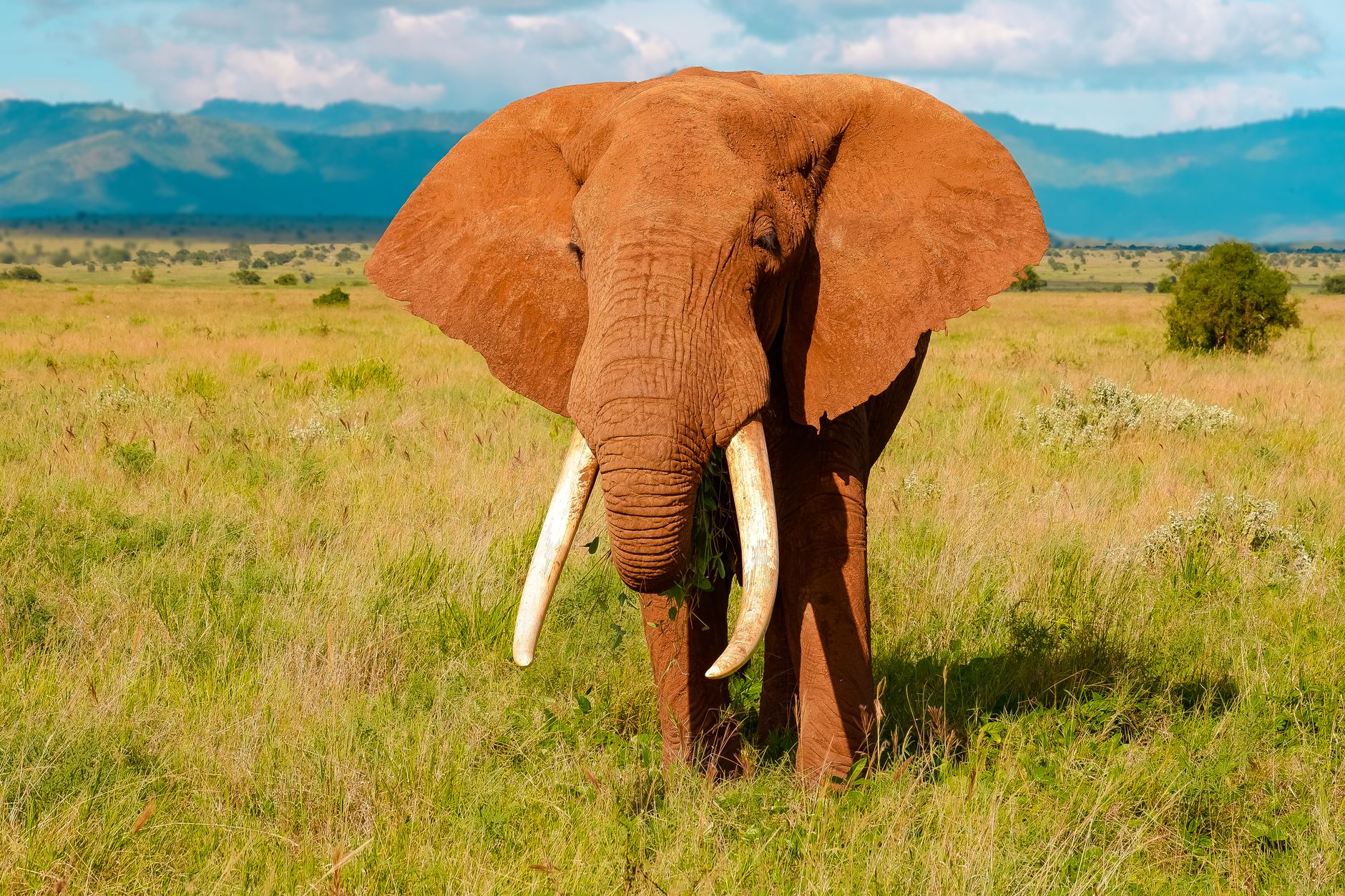
Elephants are the main safety factor in Tsavo. The park’s elephants are famous for their red dust and for good reason. They are huge and can react quickly. If you see a herd blocking the road, stop and wait. Do not honk, rev the engine or try to drive through the middle. Give mothers with calves extra space. The same applies to buffalo and lions. Stay inside the vehicle at all times. Picnic sites and the Mzima Springs viewing platforms are the only places to get out. Also, check the gate closure time with your entrance gate. In some seasons it is later than 6 p.m., but you should never assume.
When Is the Best Time to Self-Drive Tsavo?
June to October and January to February usually offer the easiest self-drive conditions because tracks are firmer and wildlife often gathers near water. The March-to-May long rains and November-to-December short rains can make roads slippery, flooded or temporarily impassable. Rain can improve scenery and birdlife, but it demands more experience and flexible routing.
Dry months give firmer tracks. Visibility is often better because vegetation is lower. Wildlife packs around the permanent water sources, so your game viewing improves. The long rains from March to May can turn black cotton soil into a trap. The short rains from November to December are less predictable. If you travel in the wet season, carry extra recovery gear and be ready to adjust your plan. A bit of rain brings green scenery and birdlife, but budget for delay. If you are weighing different parks, our Samburu versus Tsavo wildlife and routes post explains when Tsavo is the better choice.
How Long Should a Tsavo Self-Drive Itinerary Be?
Allow at least three days for a first self-drive focused on one section, or five days to combine Tsavo East and West. A guide is optional but valuable for finding wildlife, interpreting tracks and avoiding poor routes. Self-drive suits confident 4×4 drivers seeking flexibility; guided driving is often better for first-time visitors or tight schedules.
A classic first route uses Voi Gate and stays in Tsavo East. You spend the first afternoon on the Aruba area, the second morning on the Galana River loop, and the third on a slow drive south. For Tsavo West, plan a base near Mzima Springs or Ngulia. The drive between East and West is not a straight park road. You usually exit one park, join the Nairobi-Mombasa highway for a stretch, then re-enter the other. In good weather the link can take two to three hours. Add a full day if you want to enjoy both. You also need a night or two near the boundary. If you have extra days, combine Tsavo with Amboseli. Our Amboseli safari and Kilimanjaro views shows how close the parks are and what to expect.
What Should You Budget for a Tsavo Self-Drive Safari?
Budget for park entry per person, a separate vehicle charge, 4×4 rental, fuel, accommodation, camping and recovery contingencies. Exact fees can change, so verify current KWS rates before departure rather than relying on old articles. Confirm that rental insurance covers park roads, carry offline payment and communication options, and arrange accommodation before entering remote areas.
Park entry follows KWS tariffs. Non-resident adult rates and vehicle charges change from time to time. As of the current KWS tariff, Tsavo East and Tsavo West charge around USD 80 per adult per day for park entry. A separate vehicle fee also applies. Confirm the latest rate with KWS before you go. A safari 4×4 rental in Kenya often starts around USD 150 to USD 250 per day, more with a driver. Fuel for a week can add hundreds. Accommodation ranges from basic campsites to lodges, so the spread is wide. Add a contingency for recovery, repairs or a last-minute guide. For overall numbers, read our Kenya safari cost breakdown.
What Are the Most Common Tsavo Self-Drive Questions?
Most travelers ask whether self-driving is allowed in Tsavo, whether a guide is required and what car to bring. Others ask how to move between the two parks and whether the trip is safe. The quick answers are yes, no, a 4×4, with planning, and yes with preparation and common sense.
Can you self-drive in Tsavo National Park?
Yes. Self-driving is permitted in both Tsavo East and Tsavo West, which are managed by Kenya Wildlife Service. You still need valid entry and vehicle documentation and a suitable 4×4. You must also comply with park rules such as staying on designated roads and avoiding night driving.
Do you need a guide to drive in Tsavo?
No, a guide is not mandatory for a self-drive visit to Tsavo. However, a professional guide can improve wildlife sightings and explain animal behavior. A guide also reduces the risk of choosing difficult or unproductive routes, especially during a short first visit.
What car do I need for a self-drive safari in Tsavo?
Rent a dependable 4×4 with high ground clearance, preferably a safari-standard Land Cruiser or similar vehicle. Two-wheel-drive saloon cars are unsuitable for Tsavo’s sandy, rocky, corrugated and rain-affected tracks. The vehicle should carry a spare tyre, tools, water and recovery equipment.
Can you drive from Tsavo East to Tsavo West?
Yes, you can combine the two parks, but the practical transfer usually uses roads outside the parks rather than an unrestricted internal game-drive crossing. Allow roughly two to three hours for the main connection in good conditions. Check gate and road status, and plan accommodation so you are not racing the 6 p.m. closure.
Is Tsavo safe for self-drive?
Tsavo can be self-driven safely when visitors use a capable 4×4 and remain inside the vehicle near wildlife. Keep to marked tracks and finish driving before dark. The main risks are difficult roads, breakdowns, flooding, getting lost and close encounters with large animals, so conservative driving and preparation are essential.
Where Can You Compare Tsavo Safari Operators?
You can compare vetted Kenya safari operators using platforms such as FindMySafari, Valley Safaris, or Trunktrails Safaris. These sites list guided 4×4 itineraries, driver-guide packages and flexible options, which can save time and reduce risk when your Tsavo schedule is tight.
If self-driving starts to sound like more work than you want, you do not have to plan it alone. You can compare safari operators and browse packages that include a professional guide, a reliable 4×4 and accommodation. The partner sites FindMySafari, Valley Safaris and Trunktrails Safaris list vetted trips and can match you with the right operator. A guided safari removes the stress of routes, repairs and gate times, especially when your Tsavo trip is short. If you still wonder “Tsavo safari can I self drive?” the answer remains yes, with the right 4×4 and the right mindset.
Where Can You Find More Safari Planning Resources?
- Tsavo East and West map from SafariPure
- Kenya wildlife tours from Trunktrails Safaris
- Map of Tsavo from Valley Safaris
- Tsavo destination guide on FindMySafari